Learning through doing
One of the program’s pilot courses — Words, Painting and Emotion — exemplifies how students engage theory and practice at once.
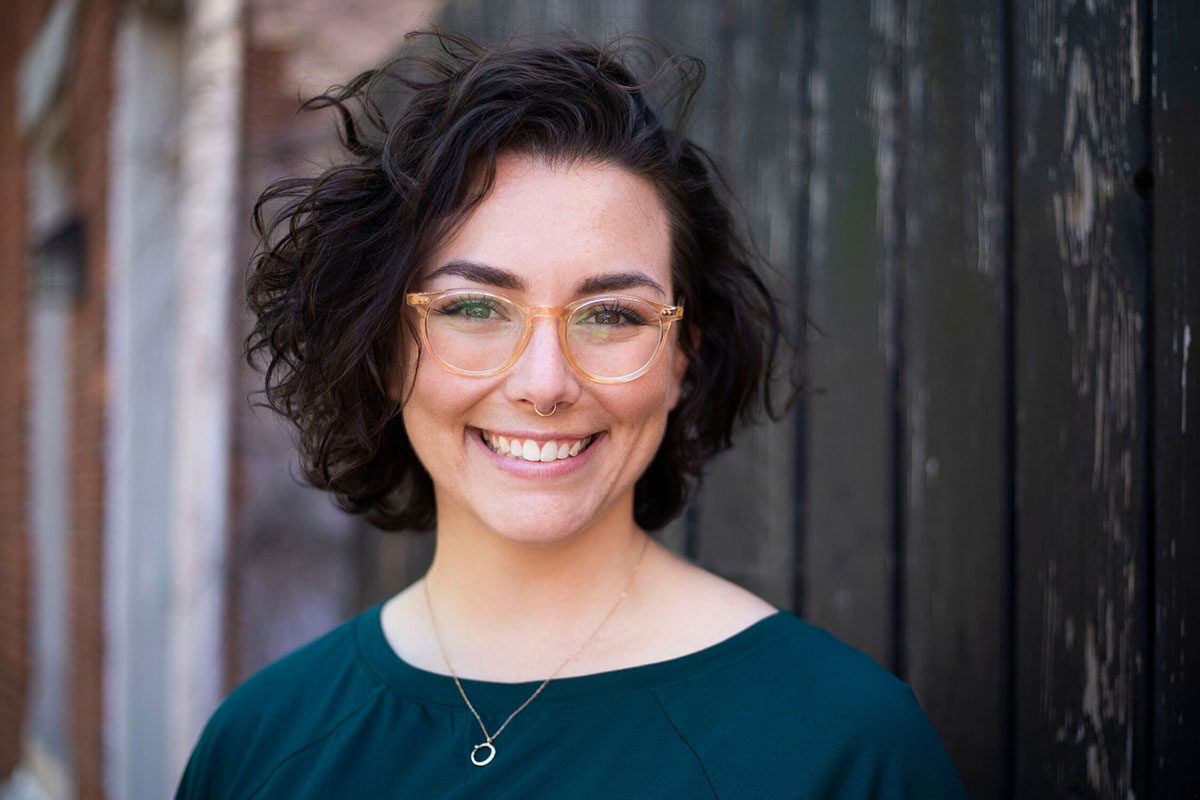
“My experience with Professor Ryan Kirkpatrick’s Words, Painting and Emotion class was nothing short of phenomenal,” said Nicole Reijonen, an art studies major who will graduate this December. “The class was structured around the trauma-informed practices of personal and environmental safety, self-care and grounding exercises, choice, collaboration, and empowerment by acknowledging the impact of trauma and learning how to process complex emotions through painting.”
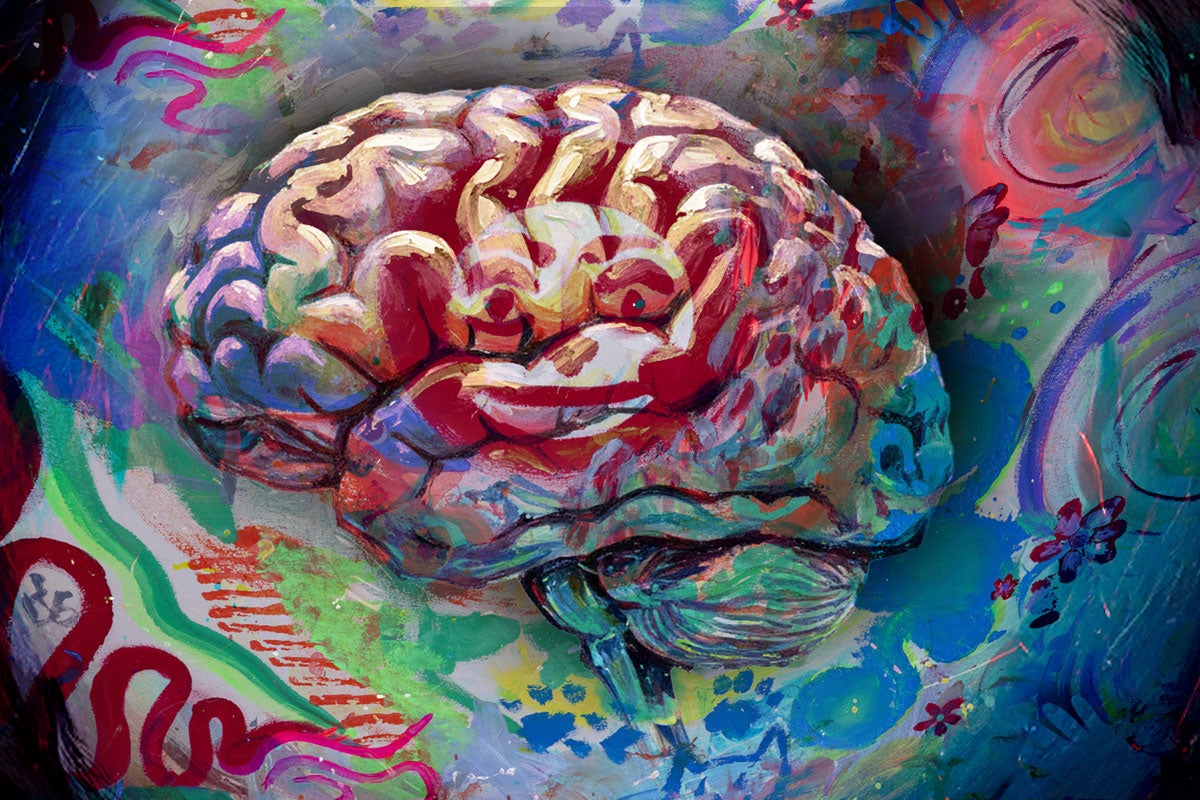
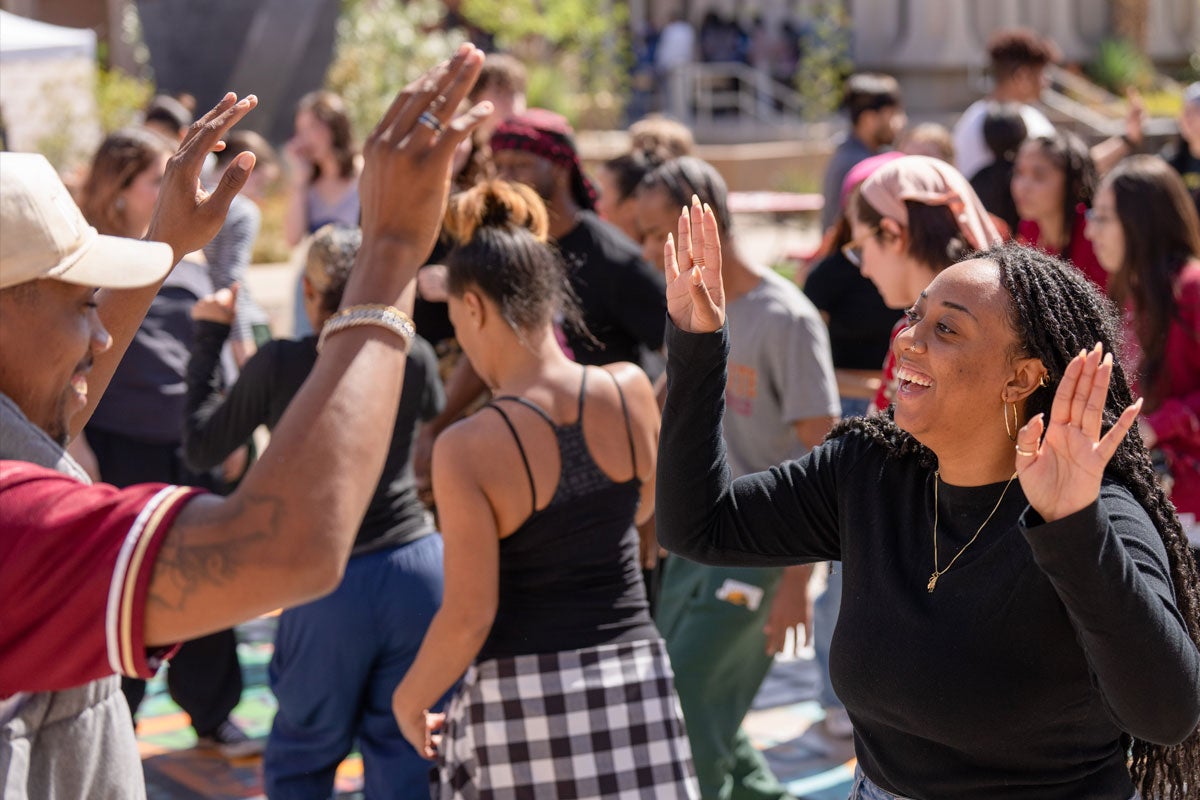
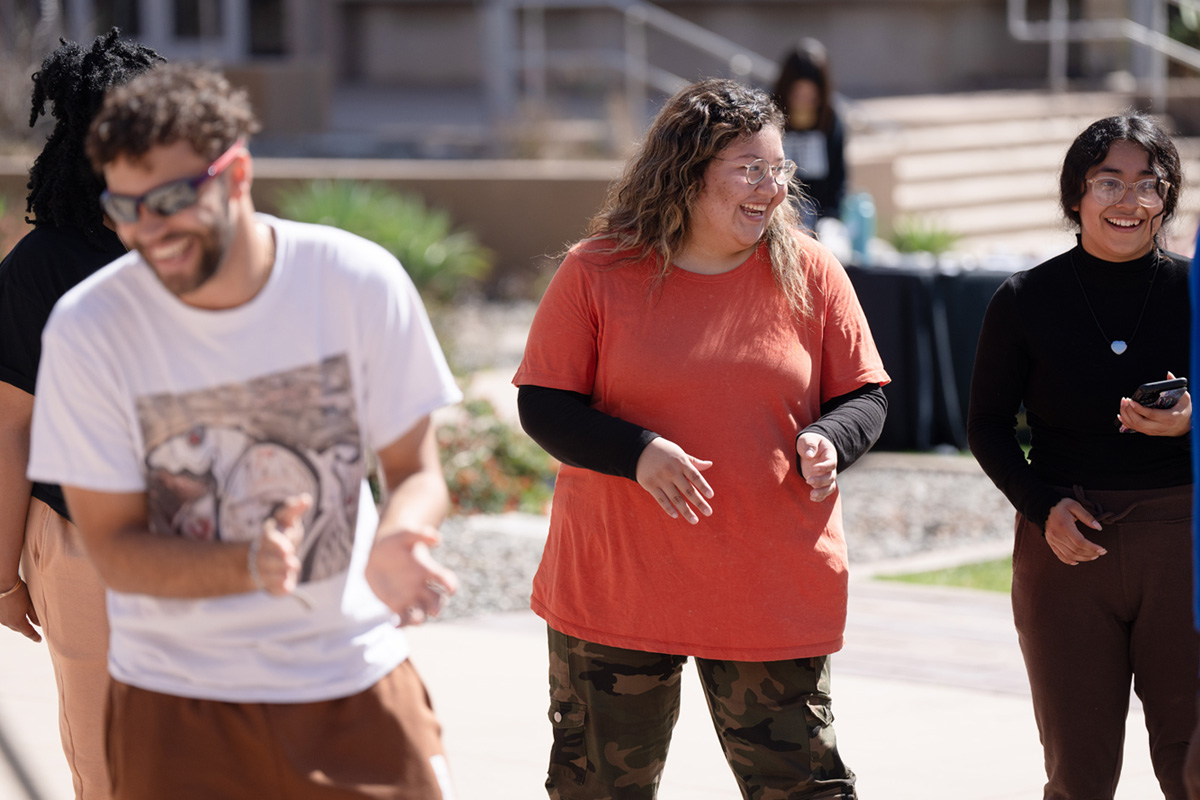
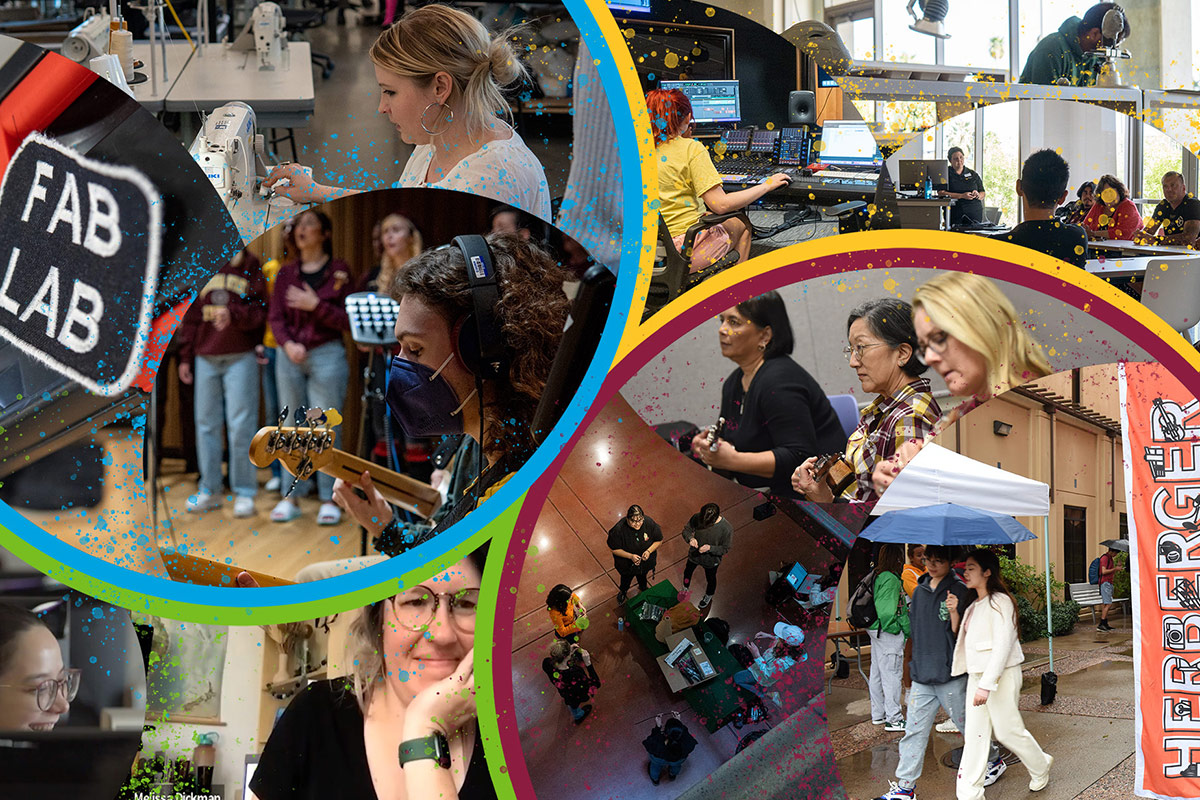
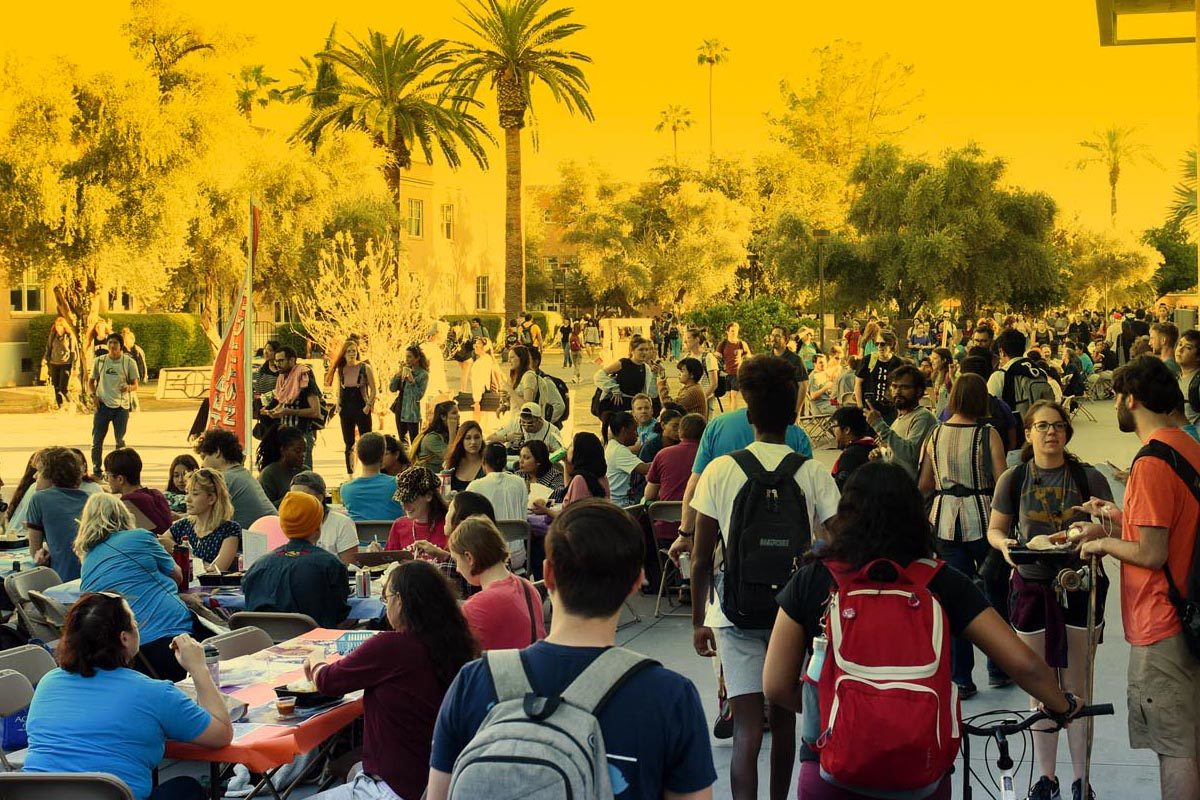
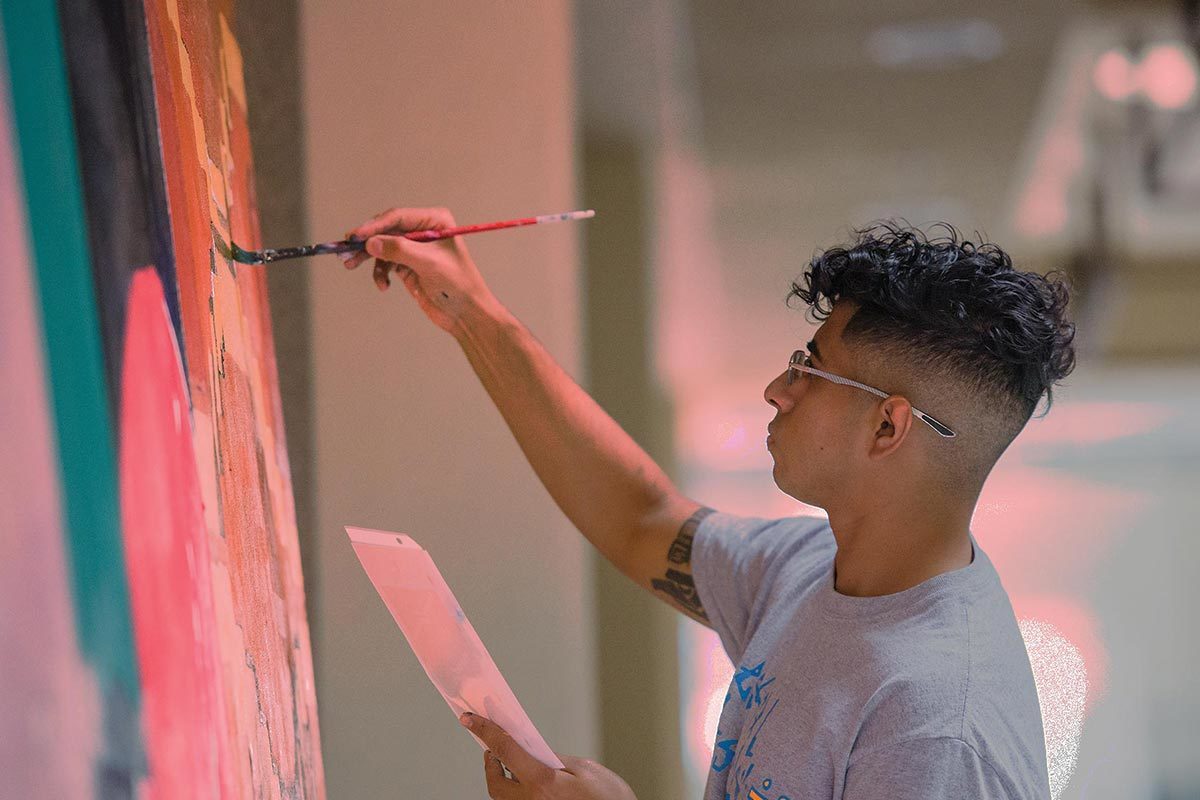
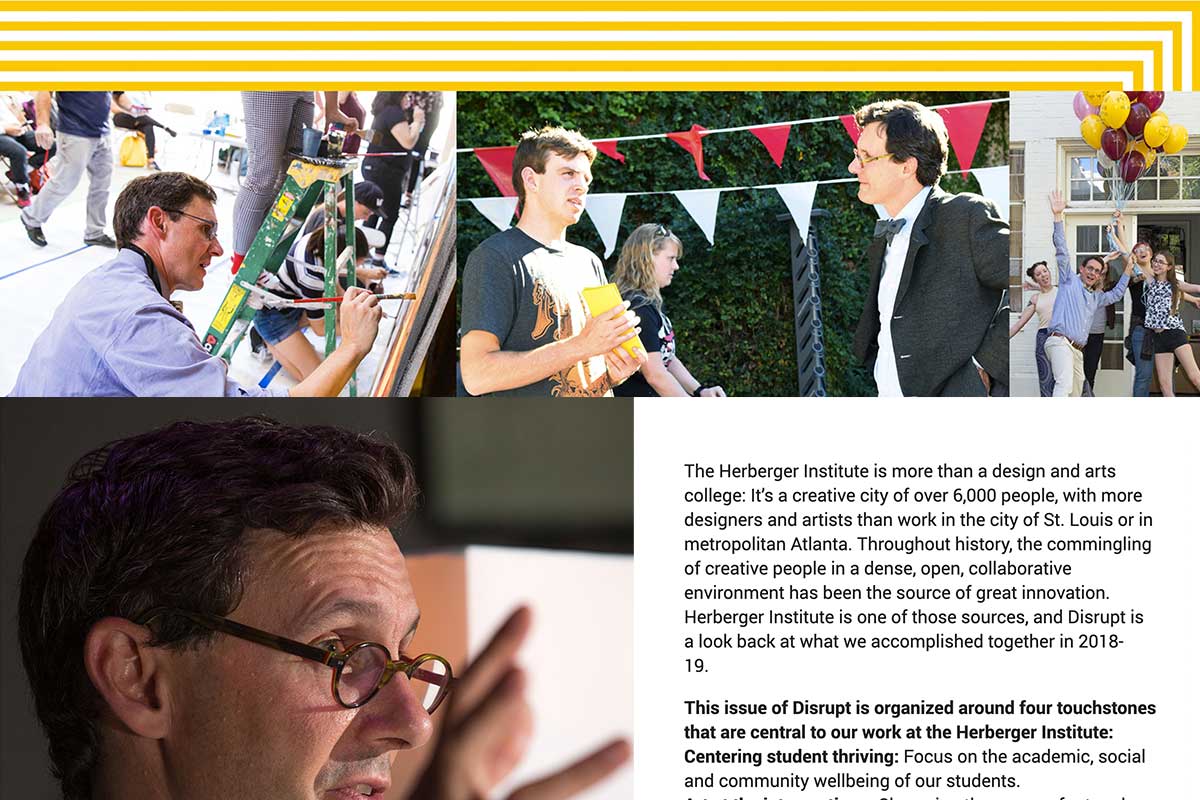
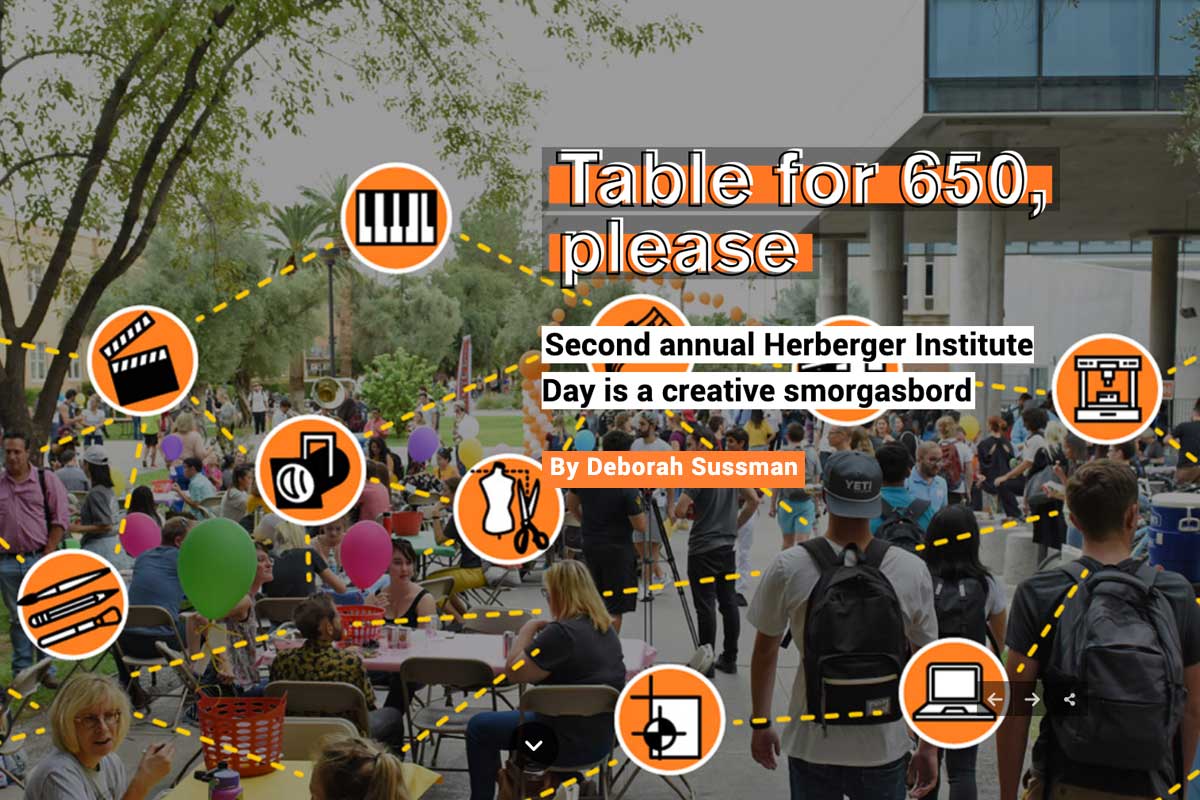
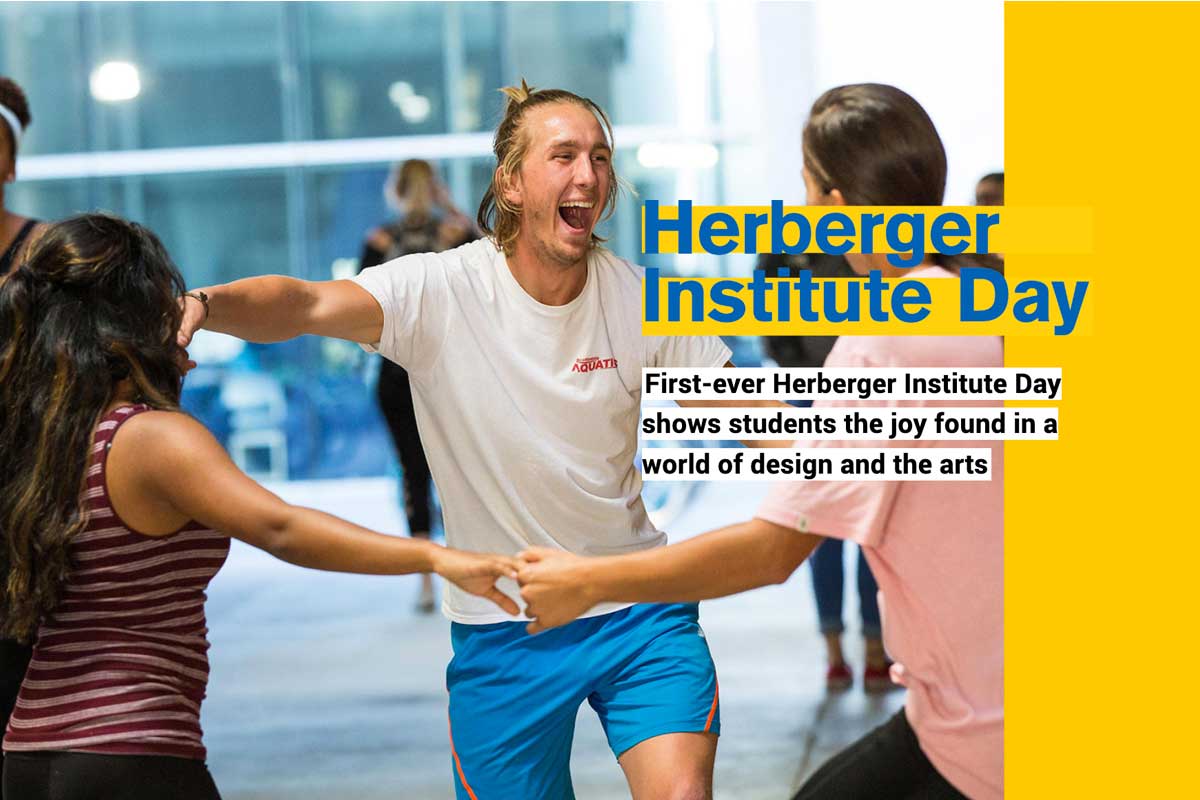
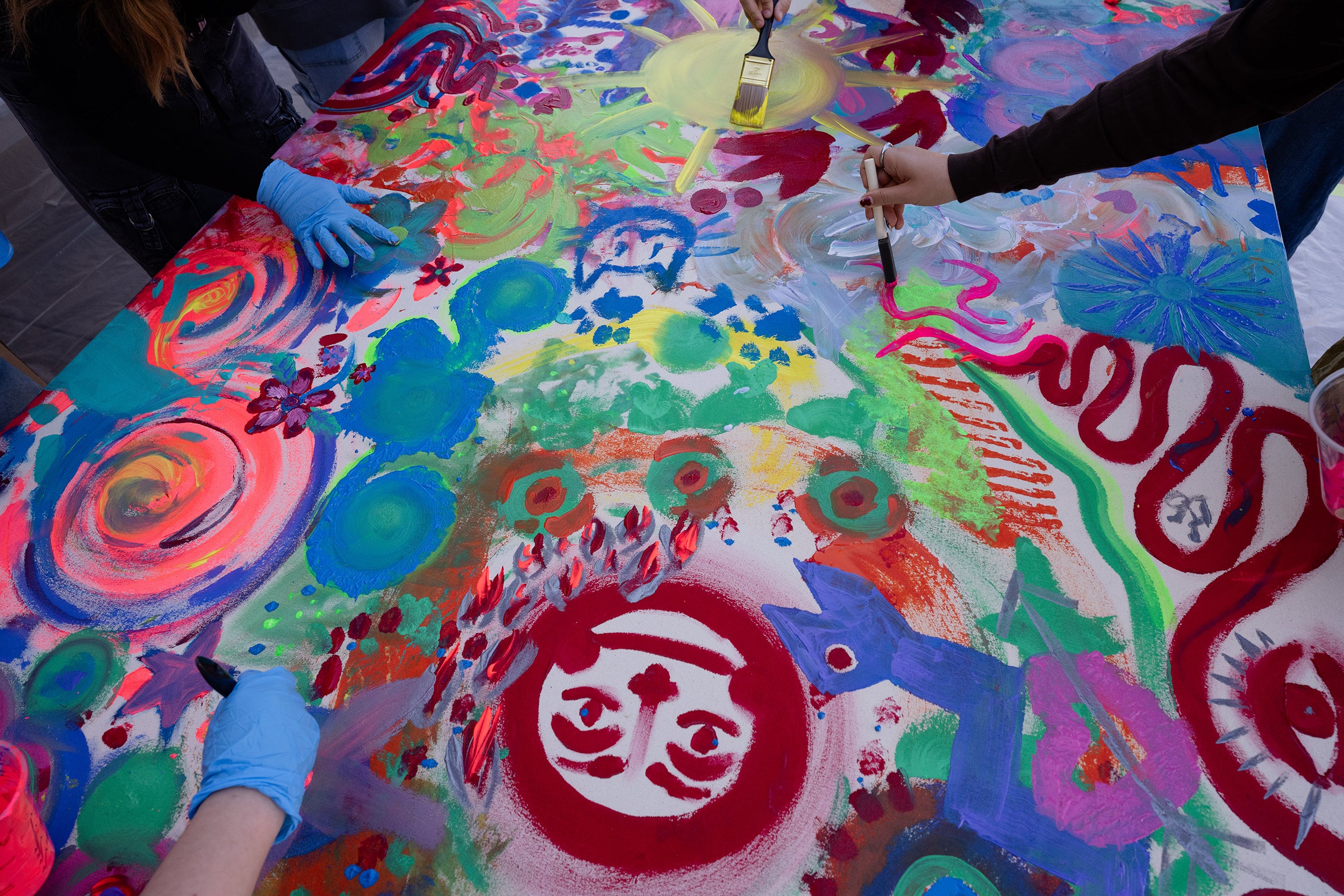
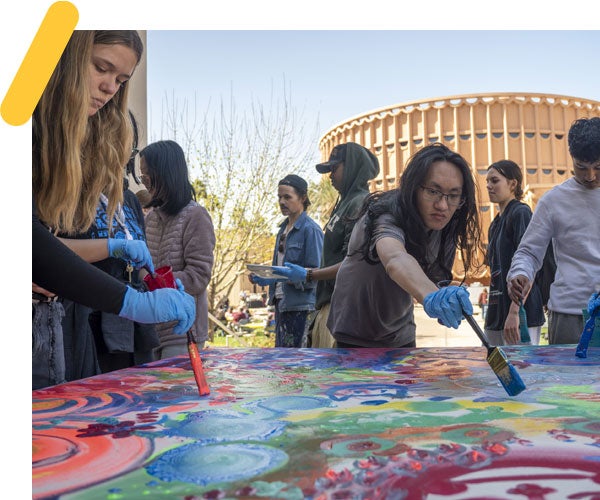
As part of this course, students participated in the C.A.R.E. project during Herberger Institute Day, an annual celebration of arts and design across the campus. Kirkpatrick and his class facilitated the creation of a collaborative, 8-by-8-foot canvas painting that invited participation from passersby.
“We divided the finished canvas into 36 smaller paintings and will distribute them all over campus,” Kirkpatrick said. “This evolving project is about raising awareness of the power of collective expression on our sense of wellness and inclusivity. For some students, it may have been the first time they picked up a brush, loaded it with paint and allowed themselves to express their emotional state. That experience — the feeling of being part of something collaborative, of being seen — that can stay with someone. That can change them.”
Reflecting on the project, Reijonen added, “I’m so glad I was able to be a part of such a meaningful project that taught me that everyone has a story and any mark of self expression can be ‘good art.’”
A program that puts people first
ASU’s BFA in art therapy is currently welcoming its first cohort of students. As it grows, Kirkpatrick is focused on ensuring that the program remains strength-based, interdisciplinary, community-focused and centered on deep learning.
“What excites me most is building this program with care — making it a space where students feel seen, where they feel like their lived experience and its place in their work matters,” he said.
For prospective students and their families, Kirkpatrick offers a simple message: “This degree can change lives. Not just the lives of the people you’ll help — but also your own. If you want to make a difference through art, if you care about people and healing and justice — this is where you start.”