















































































































































































Ushering in a new era at The GAME School

Scroll Down

Video games have rapidly become embedded in pop culture. Across the internet, creators amass millions of views with varying strategies to “gamify your life.” 

The casting of a live-action The Legend of Zelda movie made national headlines, and internet memes recount the significant world events that have occurred before the release of Rockstar Games’s highly anticipated Grand Theft Auto VI.

Recent years have shown that games offer more than just entertainment. Gaming is used in education, in health care, in physical rehabilitation and in more and more areas of our lives. The video game industry generated an estimated $187 billion in revenue just last year, according to a report by the data platform Newzoo.

And game enthusiasts have long felt at home at the Herberger Institute for Design and the Arts.

 In 2024, the Institute launched the Endless Games and Learning Lab. The initiative aims to advance “Realm 5 learning” experiences, meaning game-based learning that is massively distributed, universally accessible, high-intensity and personalized. This work continues to accelerate, with one recent partnership advancing educational innovation through games, research and microcredentials.

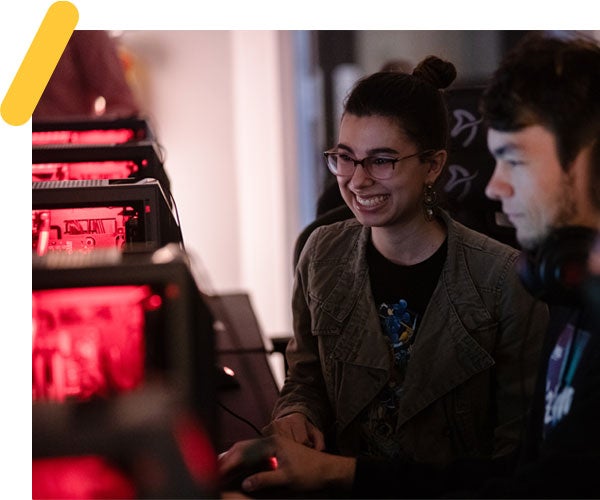
The Esports Lounge is a dedicated space for students interested in gaming, and just moved to a new permanent residence at the new state-of-the-art University Gateway Building 315 on the Tempe campus. The lounge boasts access to everything from computer-based games like Valorant and Minecraft to Mario Kart on the Nintendo Switch.

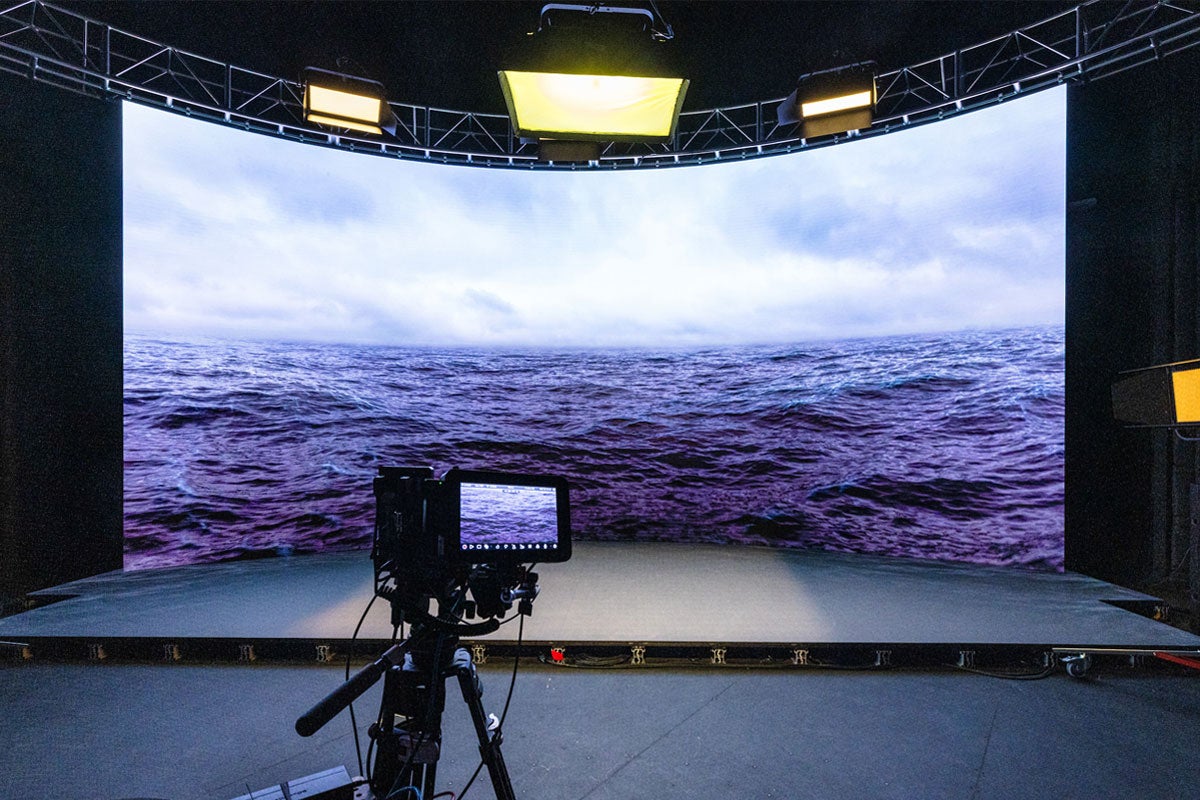
Earlier this year, the Institute’s School of Arts, Media and Engineering launched a new degree in game design to help prepare students to excel in the multibillion-dollar gaming industry. The BS in Game Design marks a new era the school, which was renamed The GAME School. 

The new name — accounting for games, arts, media and engineering — reflects the school’s comprehensive degree programs across a range of artistic and technological disciplines to enhance the human experience. 

“Game designers are increasingly in demand,” said Pavan Turaga, founding director of The GAME School. “This degree will immediately serve students who are looking for a skillset that is attractive and relevant to employers.”

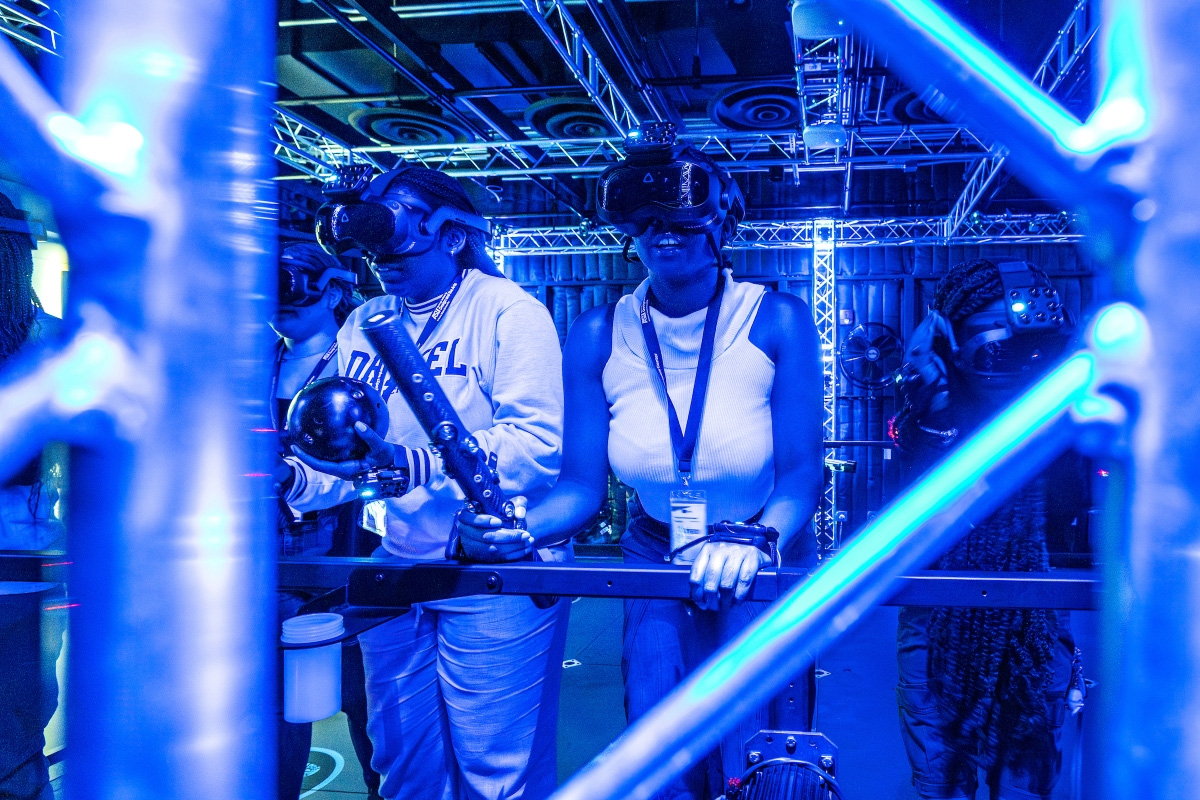
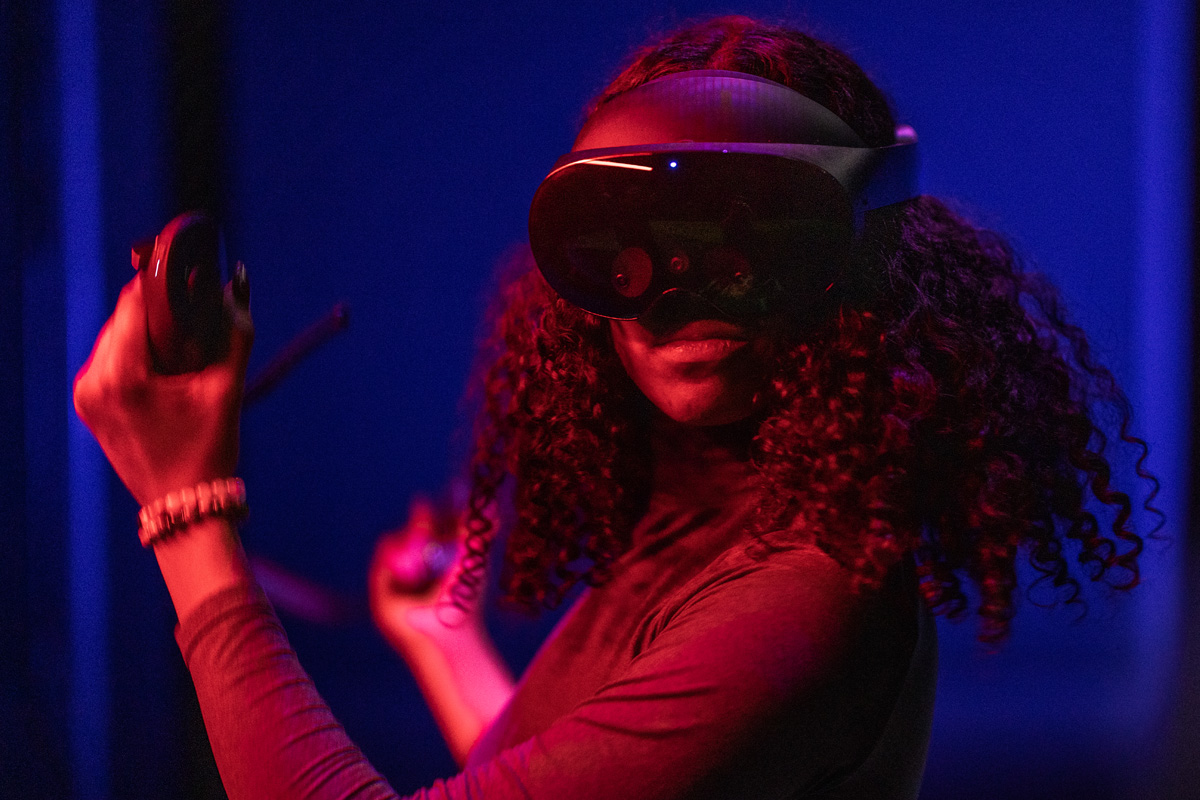
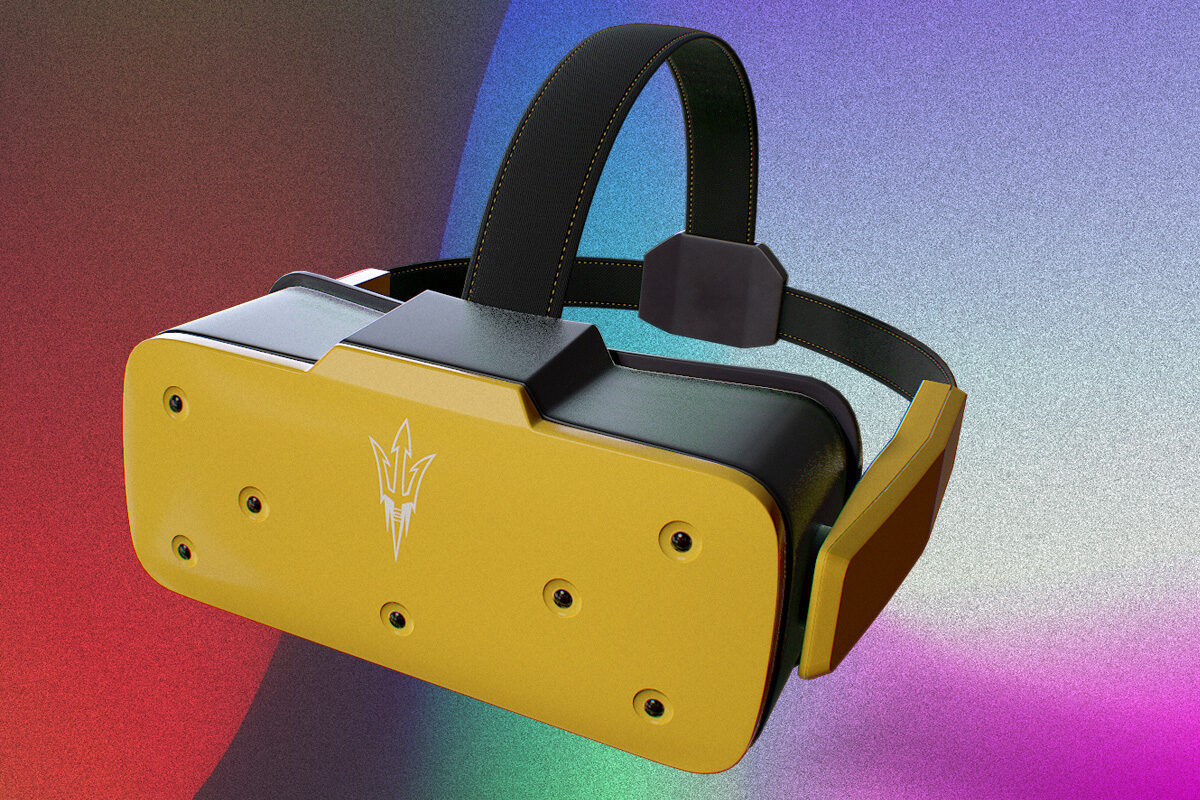
Game design is a fairly broad topic, encompassing the development, art, storytelling and game studies that go into making a successful product. A transdisciplinary approach is required — and built into the program — to give students the necessary context and understanding of the field. Students will learn how to make games as well as how to think about the application of games in virtual reality, healthcare, social contexts and more.  

Turaga said the degree includes a capstone project that tasks students to create their own “indie game studio,” a skill set that will empower students to start their own independent venture should they choose.

Industry connections

Elina Ollila, deputy director of the Endless Games and Learning Lab, said ASU is a natural home to develop skill sets related to the video game industry.

“We want to meet learners where they are, and many of them are already playing games,” she said. “This presents a powerful opportunity to create something closely connected to the games industry, while remaining accessible to students who might not otherwise have access to these kinds of learning experiences.”

The Endless Lab is actively bringing in more industry-based talent to enhance the student experience for those interested in the new game design program. This not only supports the incoming game design students, but also those in the previously established degree in media arts and sciences with a concentration in games and interactive media.

“What I’m already seeing is that the connection to the industry is really exciting for the students,” Ollila said. “Students are getting to learn from people who have actually ‘been there and done that.’”

An AI-ready degree

As people navigate an ever-changing workforce, artificial intelligence remains a question mark for many college students. According to NBC Bay Area, this year’s 2025 Game Developers Conference saw a sharp increase in artificial intelligence technology. There is no longer a question of if the game industry will change with AI — the question is how that change will occur.

Luckily, innovation is ASU’s specialty. Students in the game design program will benefit from ASU’s extensive research and partnerships geared toward utilizing AI, and Turaga said the technology has already been built into the coursework.

“We have built classes that teach you how to use AI as a tool, so students will learn how to use AI to create general content that will become assets in games,” Turaga said. “We are offering students an AI-ready degree.”

“Game designers are increasingly in demand. This degree will immediately serve students who are looking for a skillset that is attractive and relevant to employers.”

Pavan Turaga, Founding Director + Professor, The GAME School

Expanding to LA

The degree is also enhanced by the wide range of expertise offered by faculty within The GAME School, which will allow students to be nimble in the jobs they seek.

Stephanie Barish, a nationally recognized leader in game production and digital media innovation, recently joined The GAME School as professor of practice and the school’s first LA-based faculty. The IndieCade co-founder brings a deep background in creative leadership, educational technology and independent games — and a clear vision for what’s next.

“We are very excited to welcome Stephanie Barish as our first faculty appointment in LA,” said Turaga said. “Stephanie’s work supporting indie games and studios via IndieCade will be a valuable asset for ASU and initiate a differentiated approach over existing games degree programs in the area.”

As more industries embrace technological advancements, game design graduates form ASU will be able to apply their knowledge beyond the gaming industry.

“We have access to research partnerships that are led by faculty into applying game tech in other areas like health, wellness, scientific research, visualization, immersive media and virtual reality,” Turaga said. “You can’t get these opportunities anywhere else. This degree will help students cut across sectors, and it’s all happening at ASU.”

A degree in gaming

Explore our BS in Game Design degree
Learn more and apply

Friends of The GAME School

Interested in supporting The GAME School and helping our students succeed?
Join us

Sarah A. McCarty and Mary Raha contributed to this story. A version of this story originally appeared in ASU News.
Photos by Laura Segall.