Cutting-edge virtual-production studio for students and the community

Scroll Down

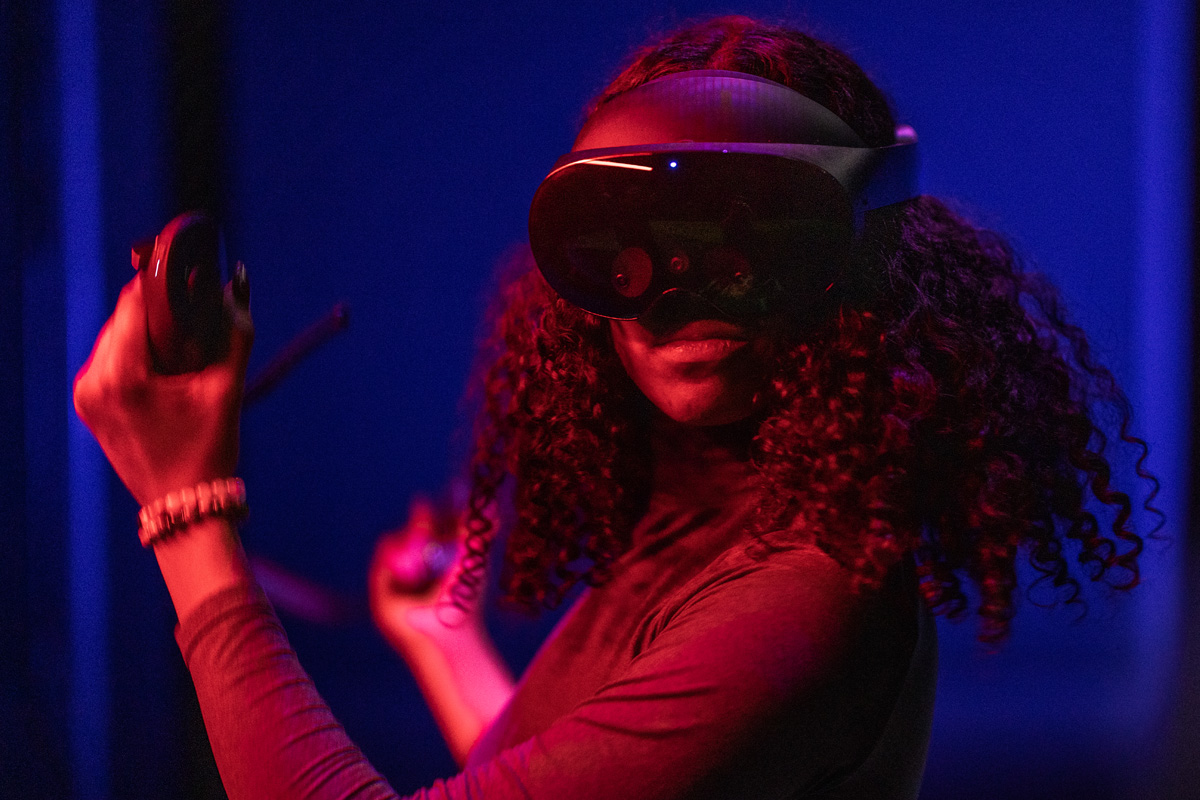
Virtual production has revolutionized filmmaking, allowing for mind-blowing effects while streamlining the process and making it cheaper.

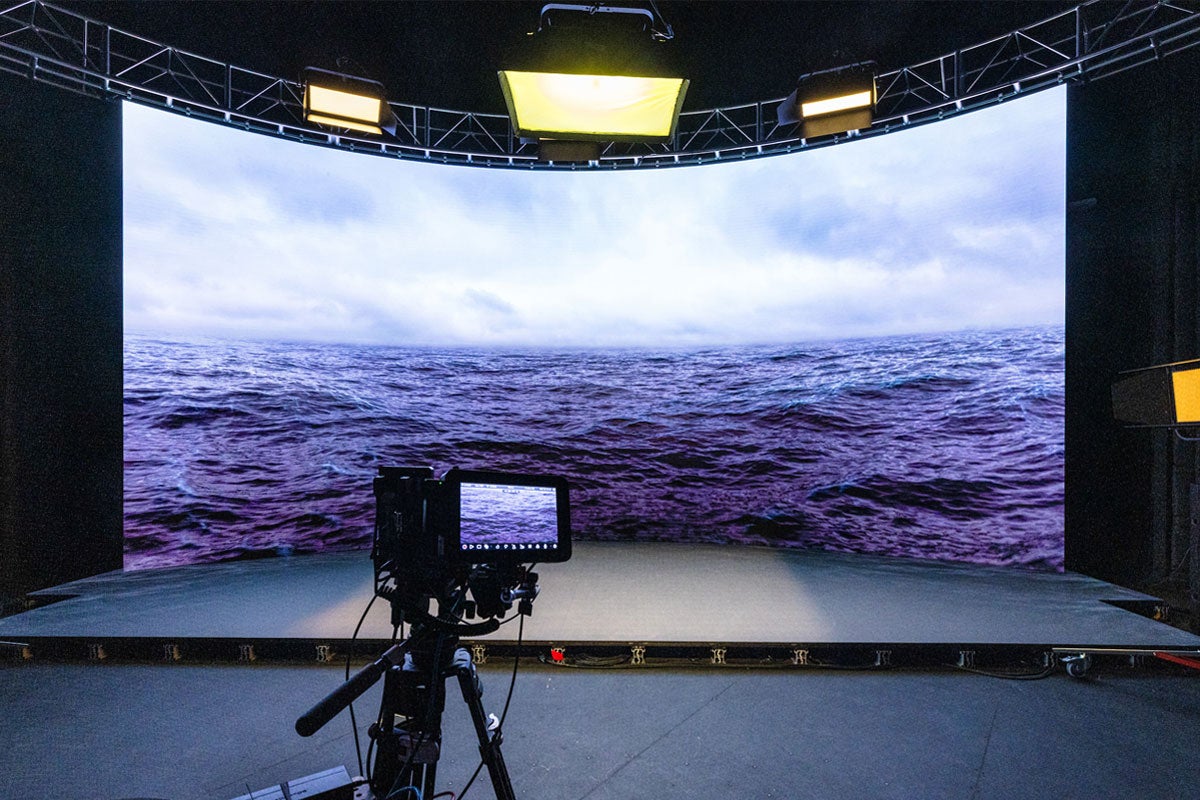
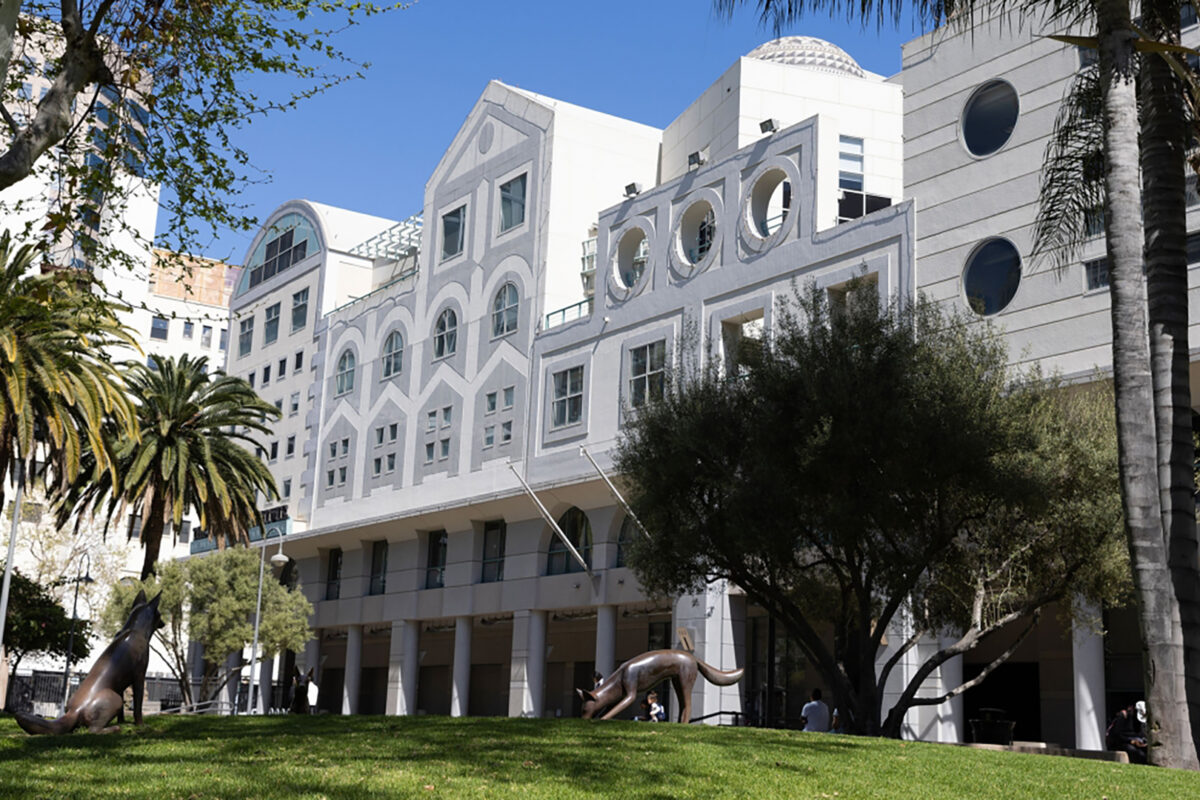
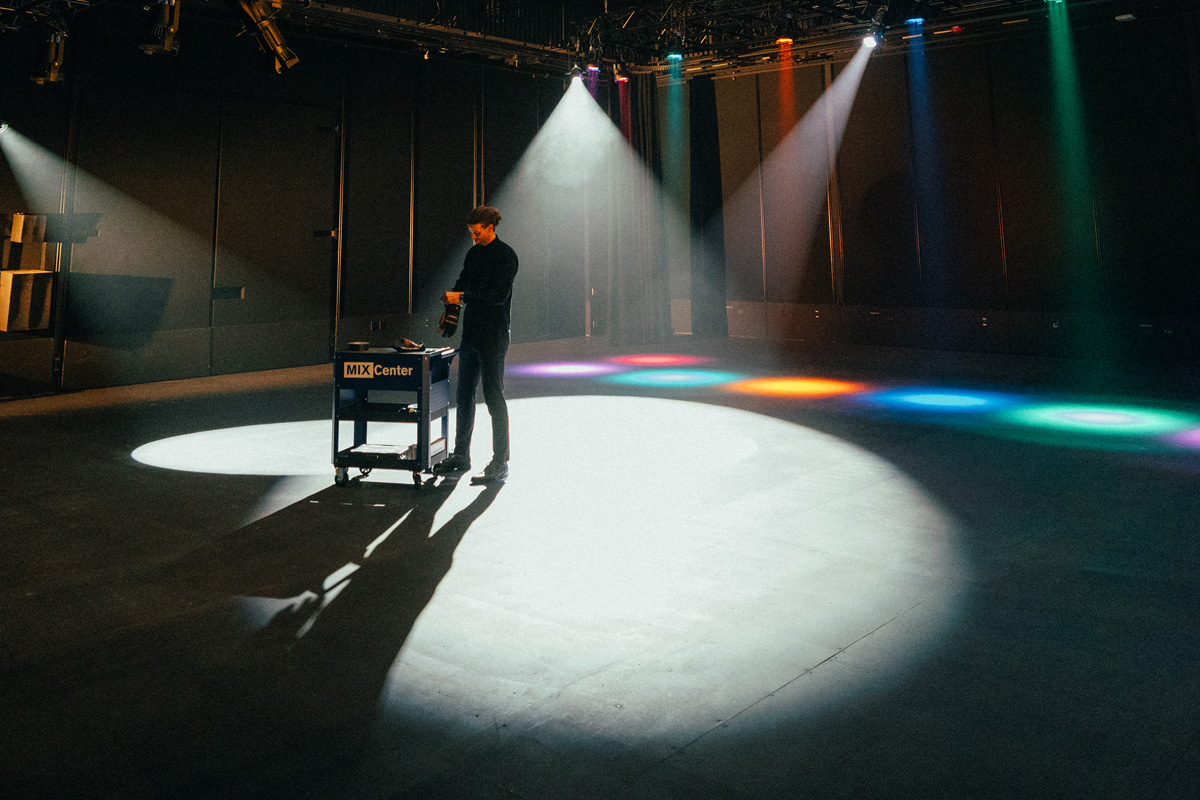
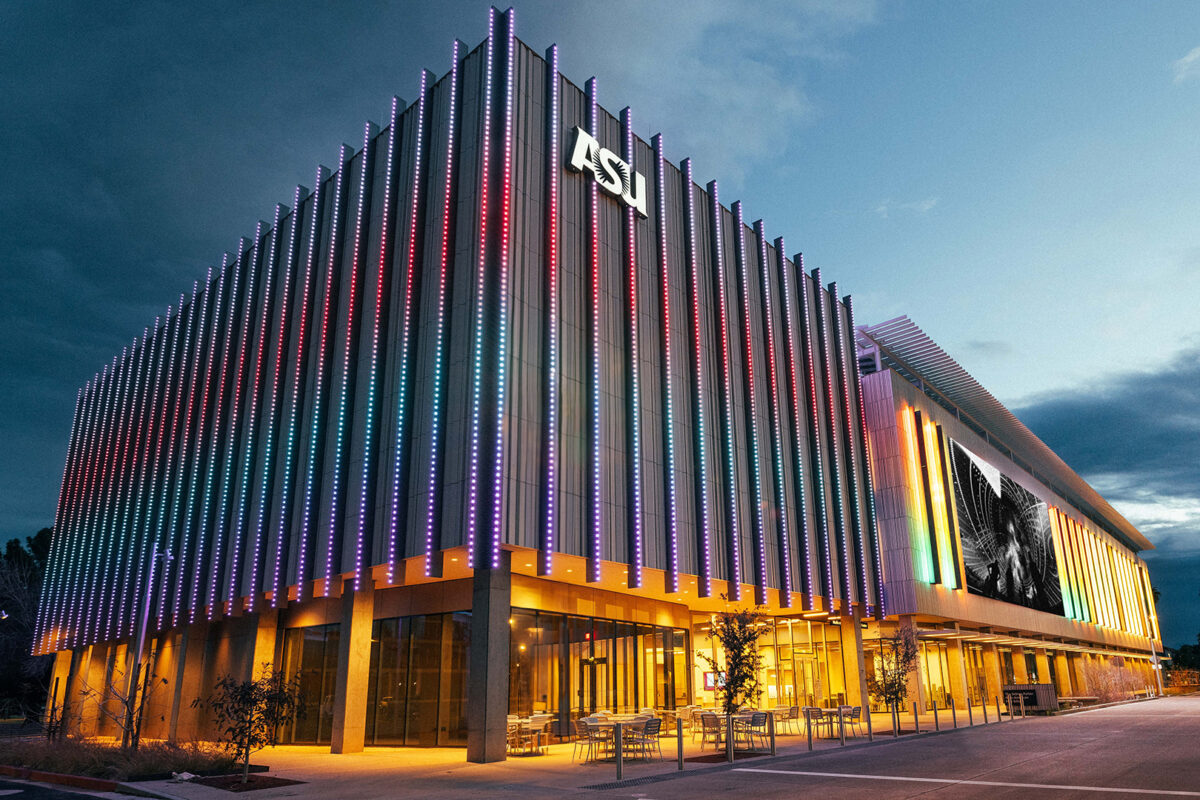
Herberger Institute students have been learning this technology at the Virtual Production Volume Studio in the Media and Immersive eXperience Center in downtown Mesa for almost two years. In May, the MIX announced that the Volume Studio is available for community members to rent.

“We’re interested in establishing a strong, thriving and vibrant arts community here in Mesa — one that that brings in industry,” said Nicholas Pilarski, associate professor in The Sidney Poitier New American Film School and former interim director of the MIX Center. “So we thought a lot about how to have people with all different types of projects be able to shoot here.”

The Volume is ideal for creators who have a vision, said Pilarski, who also is a filmmaker.

“It could be a car company that wants to bring in their cars and shoot them in a specific way. It could be a small business owner who really wants to think about shooting a commercial, or it could be feature film productions looking for specialized shooting and bringing down the cost of production virtually,” he said, noting that using the Volume Studio in Mesa would be priced much less than renting one of the many virtual-production spaces in Los Angeles.

The Volume Studio at the MIX Center is one of only two virtual-production facilities in the state, according to Calvin Stanley, the video systems technical director who runs the space. He graduated from ASU in 2024 with a master’s degree in extended-reality technology.

The studio contains everything needed for any kind of production, from an immersive art installation to a full-length feature film, he said. “This is something that we’d like to open up to whoever’s interested in learning about virtual production, making sure that this kind of technology is not just siloed in the studios of Hollywood, but also present here in downtown Mesa,” Stanley said. 

Inquiries about renting the Volume should be sent to Stanley at mixman@asu.edu.

The Herberger Institute has not publicized the availability of the Volume before now, but filmmakers have heard about it through the grapevine, Pilarski said.

Rental rates are based on the type of client and how much of the Volume Studio’s technology is needed for a project. For example, nonprofits and city of Mesa units would pay $780 an hour for a premium package with all the technology — less than the $1,300-per-hour charge for commercial and for-profit renters. Pricing is customized for a full-length film or other large-scale project. Potential renters must know how to use the software and have a proficient crew. Post-production services such as editing, special effects and color grading also are available.

ASU students — who don’t have to pay to use the Volume — have priority, and classes in The Poitier Film School on how to use the technology fill up fast. Clients who want to rent the space are then fit in.


“The students who are working and learning here are the first generation to use what is the future of filmmaking,” Pilarski said.

Industrial Light and Magic, the special-effects production company founded by George Lucas, invented virtual production for “The Mandalorian,” which dropped its first season in 2019. The technology allows designers to create highly detailed digital worlds that are loaded onto giant screens, where the actors can interact with what the audience will see and changes can be made instantly. 

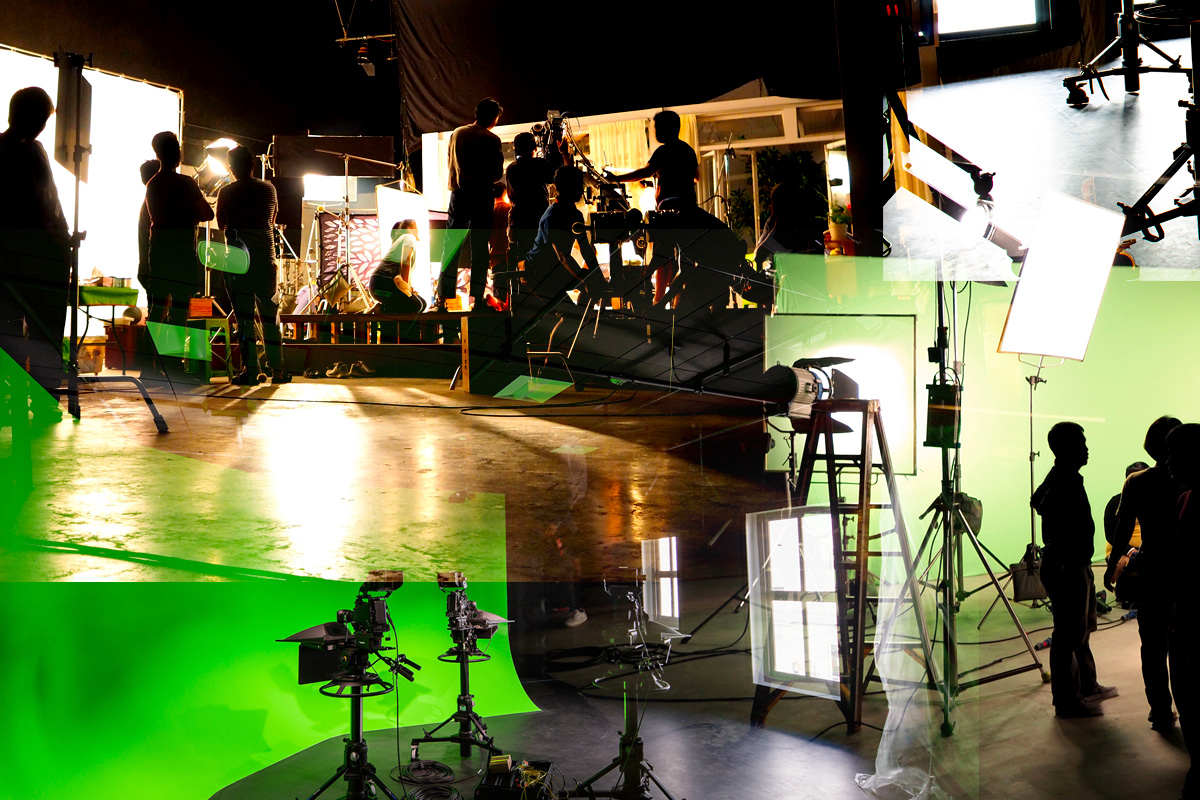
Previously, actors would work in front of a blank green screen, and the digital effects would be added during post-production.

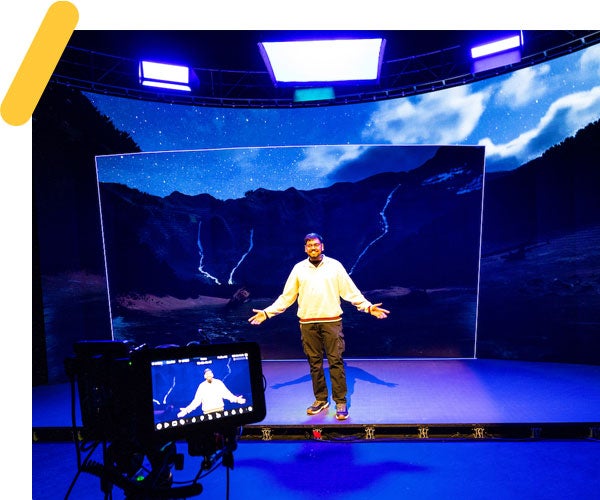
The MIX Center’s Volume Studio uses an Unreal gaming engine to render the immersive environment and has a cutting-edge tracking system to integrate the background with the actors, Stanley said.

Unlike the older green screen technology, still used in TV news studios, actors can see what’s going on around them in the Volume, where the background is projected onto the giant curved wall and the floor.
“They know where they actually are in the shot versus the green screen, where you have to imagine your environment,” Stanley said.

Using a projected background allows filmmakers to avoid the time and expense of shooting on location or building elaborate sets.

“You step into the MIX Center and you get a taste of what the future is going to look like,” Pilarski has said.  

Rent the Volume

Inquiries about renting the Volume should be sent to Calvin Stanley at mixman@asu.edu.
Send an inquiry

Become an ASU film student

Access to the Volume is just one perk of being a film student at The Poitier Film School.
Explore our film programs

A version of this story appeared in ASU News. 
Photos by Charlie Leight.